- Your cart is empty
- Continue Shopping

$180.00
28 in stock
MOTS-c (Mitochondrial Open Reading Frame of the 12S rRNA Type-c) is a 16-amino acid mitochondrial-derived peptide that has emerged as a focal point in metabolic and aging research. This naturally occurring peptide is encoded within the mitochondrial genome and represents a unique class of bioactive molecules that influence cellular energy homeostasis [1].
The majority of MOTS-c research has been conducted in animal models and in vitro systems. Preclinical studies in mice have demonstrated that MOTS-c administration may influence glucose metabolism, enhance insulin sensitivity, and support metabolic adaptation to stress [2,3]. In rodent models, MOTS-c has been associated with improvements in endurance capacity and mitochondrial function [4]. Animal studies have also explored MOTS-c’s potential role in age-related metabolic decline, with some evidence suggesting it may influence markers of cellular aging and stress resistance in laboratory settings [5,6]. These findings remain preliminary and have not been replicated in controlled human trials.
While preclinical data has generated interest, rigorous human clinical trials examining MOTS-c’s effects on metabolism, aging, or performance remain limited. Small-scale observational studies have explored correlations between endogenous MOTS-c levels and metabolic health markers, but causality has not been established [7]. The therapeutic potential in humans requires further investigation through properly controlled clinical research.
Current evidence for MOTS-c is predominantly derived from animal and cellular studies. Extrapolation to human applications remains speculative without robust clinical trial data. The long-term safety profile, optimal dosing parameters, and clinical efficacy in human populations have not been comprehensively established through peer-reviewed clinical research.
Research in laboratory models has investigated several metabolic pathways potentially influenced by MOTS-c: Metabolic Regulation: Animal studies suggest MOTS-c may activate AMP-activated protein kinase (AMPK) pathways, which play central roles in cellular energy sensing and glucose metabolism [8,9]. In mouse models, this has been associated with improved insulin sensitivity and glucose uptake in skeletal muscle tissue [3]. Mitochondrial Function: Preclinical research indicates MOTS-c may support mitochondrial biogenesis and optimize cellular energy production, particularly under metabolic stress conditions [10]. Studies in cultured cells have shown potential effects on reducing oxidative stress and enhancing mitochondrial efficiency [11]. Physical Performance: Rodent studies have reported increased endurance capacity and exercise tolerance following MOTS-c administration, though the mechanisms underlying these observations remain under investigation [4,12]. Cellular Aging: Animal research has explored MOTS-c’s potential influence on age-related metabolic changes, with some evidence of improved stress resistance and metabolic flexibility in aging mice [5,6]. These findings have not been validated in human aging studies.
MOTS-c is a mitochondrial-derived peptide consisting of 16 amino acids with the sequence MRWQEMGYIFYPRKLR and a molecular weight of approximately 2,147 Daltons. Unlike most cellular peptides encoded in nuclear DNA, MOTS-c is transcribed from a small open reading frame (sORF) located within the mitochondrial 12S rRNA gene [1,13]. This unique genomic origin positions MOTS-c within an emerging class of mitochondrial-derived peptides that appear to serve signaling functions between mitochondria and other cellular compartments. The peptide’s bioactivity has been demonstrated in preclinical models, where it appears to influence metabolic gene expression and enzymatic pathways related to energy homeostasis [8,14].
The primary mechanism by which MOTS-c appears to exert metabolic effects in laboratory studies involves activation of AMP-activated protein kinase (AMPK), a master regulator of cellular energy balance [8,9]. In preclinical models, MOTS-c-mediated AMPK activation has been associated with:
Animal and cellular studies suggest MOTS-c may influence the expression of genes related to glucose metabolism, insulin signaling, and oxidative stress response [14,16]. These genetic modulations have been observed primarily in metabolically active tissues such as skeletal muscle and adipose tissue in rodent models.
Preclinical research has indicated that MOTS-c may support cellular antioxidant defenses by promoting the expression of enzymes such as superoxide dismutase and catalase [11,17]. This activity has been hypothesized to contribute to reduced oxidative damage in experimental settings, though clinical validation is lacking.
MOTS-c 10mg plays a significant role in supporting healthy hormonal function, particularly as we age. This mitochondrial-derived peptide has been shown to influence hormone regulation at the cellular level, helping the body maintain a more youthful internal environment.
One of the critical actions of MOTS-c is its ability to activate AMPK (AMP-activated protein kinase), often referred to as the body’s “metabolic master switch.” Through AMPK activation, MOTS-c encourages the regulation of insulin sensitivity and glucose metabolism, both of which are tightly linked to hormonal health and energy balance.
As we age, many hormones-such as insulin, growth hormone, and thyroid hormone-naturally decline or become less effective. Studies suggest that MOTS-c supplementation may help mitigate these changes by improving mitochondrial function and enhancing the body’s natural ability to respond to hormonal signals.
Whether you’re looking to support athletic performance, improve metabolic health, or combat age-related fatigue, MOTS-c 10mg offers a promising, science-supported approach to optimizing hormonal wellness. This peptide works with your body, not against it, making it a valuable addition to your healthy aging toolkit.
MOTS-c 10mg has gained attention for its promising role in promoting healthy aging and potentially extending lifespan. As a mitochondrial-derived peptide, MOTS-c helps regulate energy metabolism, stress responses, and inflammation-factors closely linked to aging and age-associated conditions.
Preclinical studies suggest that MOTS-c may enhance lifespan by activating AMPK, a key metabolic pathway involved in cellular health and longevity. In animal models, MOTS-c administration has been associated with improved insulin sensitivity, enhanced physical performance, and resistance to age-related metabolic decline.
While human studies are still emerging, early research indicates that MOTS-c could support metabolic resilience and cellular repair mechanisms that deteriorate with age. By promoting mitochondrial function, a critical factor in aging, MOTS-c 10mg may offer a novel approach to maintaining vitality well into older adulthood.
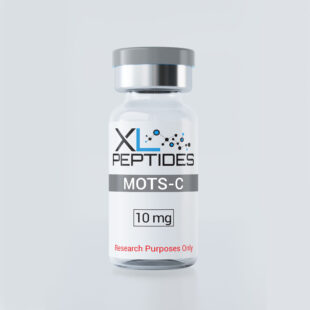
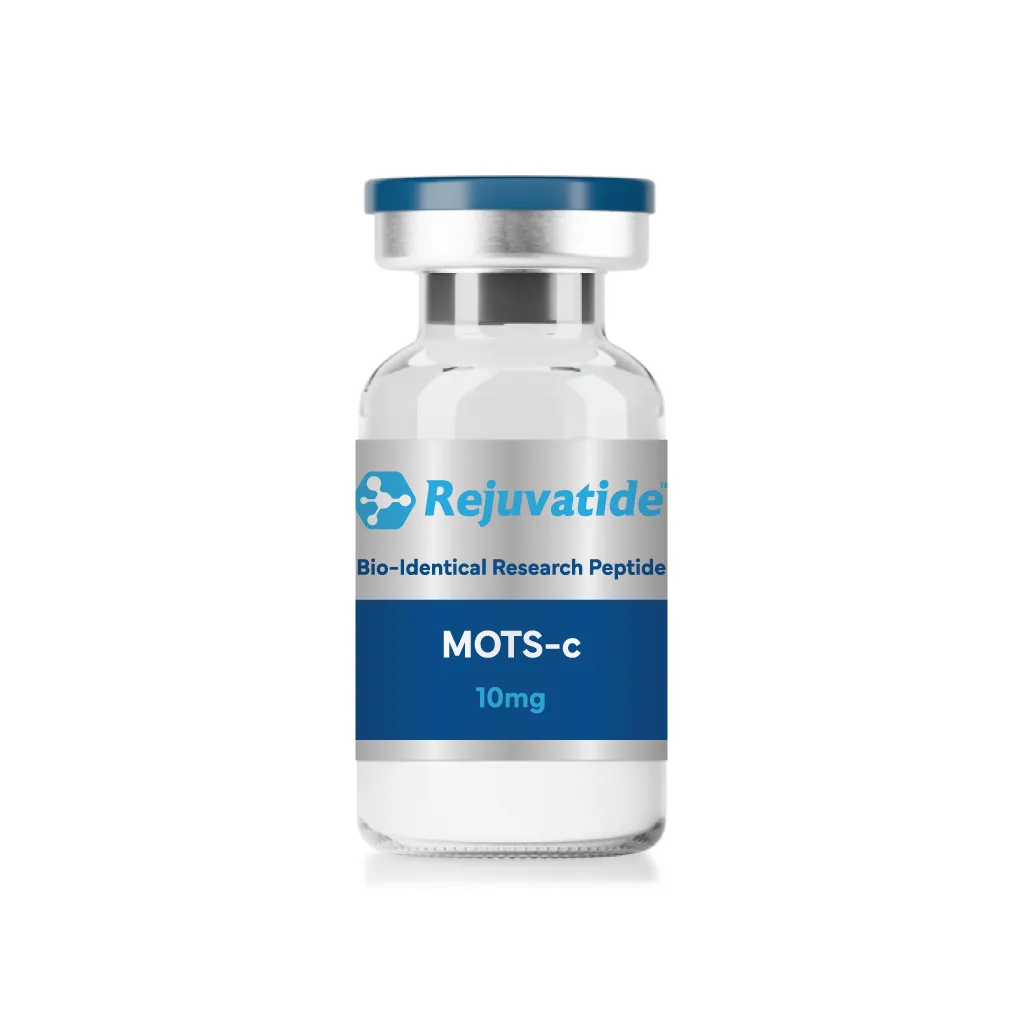
Chemical Composition: MOTS-c peptide (16 amino acids) Molecular Weight: ~2,147 Daltons Sequence: MRWQEMGYIFYPRKLR Purity: %u226598% (verified by HPLC and mass spectrometry) Form: Lyophilized powder Quantity: 10mg per vial
Research Use Only: This product is intended for laboratory research purposes only. It is not approved by the FDA or any regulatory authority for human or veterinary use, ingestion, or injection, and is not intended to diagnose, treat, cure, or prevent any disease. MOTS-c 10mg is provided solely for in vitro research and scientific investigation in controlled laboratory settings. Users are responsible for ensuring compliance with all applicable local, state, and federal regulations.
MOTS-c (Mitochondrial Open Reading Frame of the 12S rRNA Type-c) is a 16-amino acid mitochondrial-derived peptide with the sequence MRWQEMGYIFYPRKLR. Unlike most cellular peptides encoded in nuclear DNA, MOTS-c is transcribed from a small open reading frame within the mitochondrial 12S rRNA gene. Research has focused on its potential roles in metabolic regulation, glucose homeostasis, insulin sensitivity, and cellular energy metabolism.
In laboratory studies, MOTS-c has been shown to activate AMP-activated protein kinase (AMPK), a master regulator of cellular energy balance. This activation is associated with enhanced glucose uptake in skeletal muscle, increased fatty acid oxidation, and modulation of genes involved in mitochondrial biogenesis. Research indicates MOTS-c may influence metabolic gene expression and support cellular stress resistance in experimental models.
Our MOTS-c is supplied as a high-purity lyophilized (freeze-dried) powder with ≥98% purity verified by High-Performance Liquid Chromatography (HPLC) and mass spectrometry analysis. Each batch undergoes rigorous quality control testing to confirm identity, purity, and potency suitable for research applications.
For optimal stability, lyophilized MOTS-c should be stored at -20°C or colder for long-term storage. Once reconstituted with sterile water or appropriate research-grade solvent, the solution should be stored at 2-8°C (refrigerated) and used within the recommended timeframe to prevent degradation. Avoid repeated freeze-thaw cycles to maintain peptide integrity.
No. MOTS-c is sold strictly as a research-use-only compound and is not approved by the FDA or any regulatory authority for human therapeutic, diagnostic, or preventive use. All findings referenced are experimental and derived from preclinical studies. This product is intended solely for laboratory research and scientific investigation in controlled settings.




Reviews
There are no reviews yet.