- Your cart is empty
- Continue Shopping

$20.00
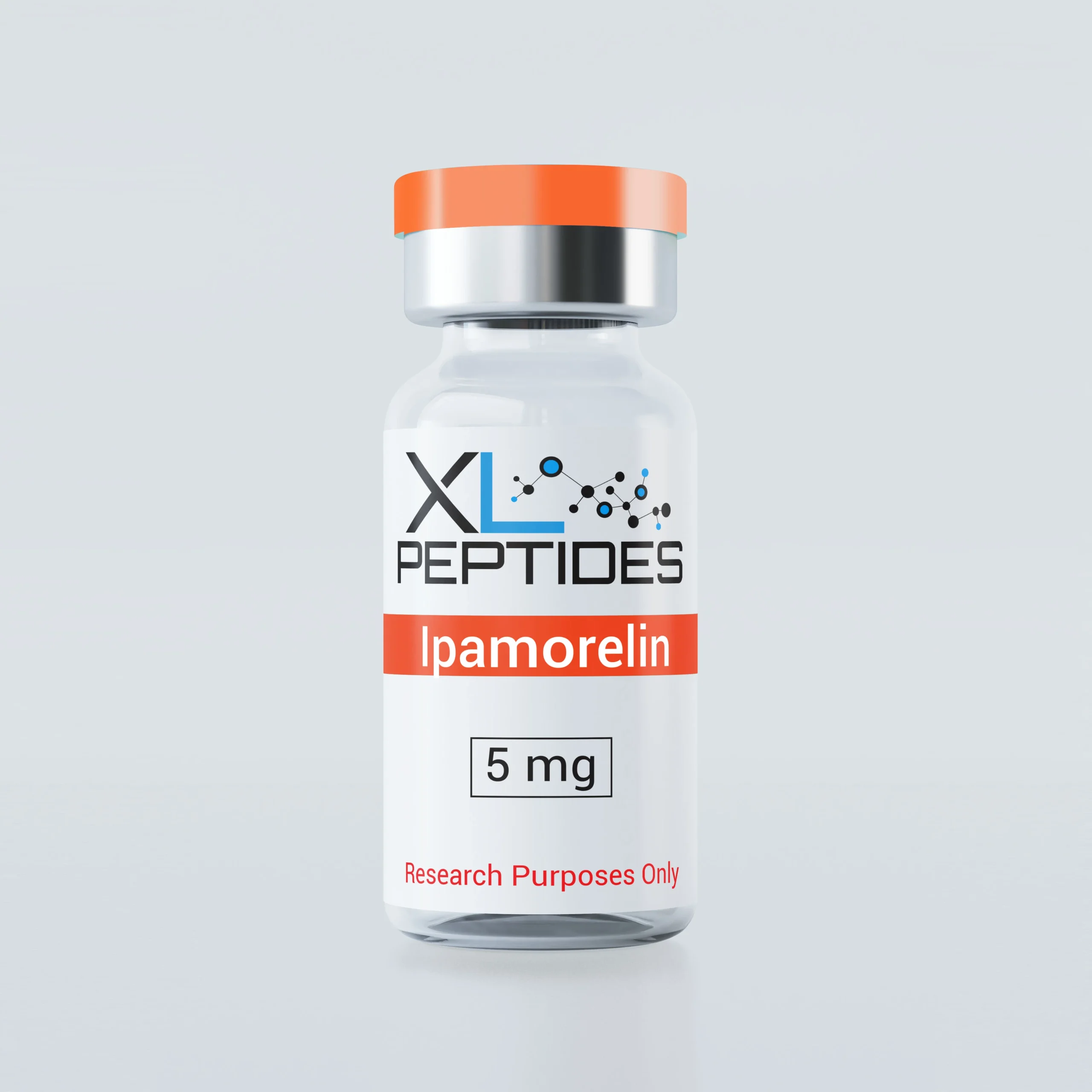
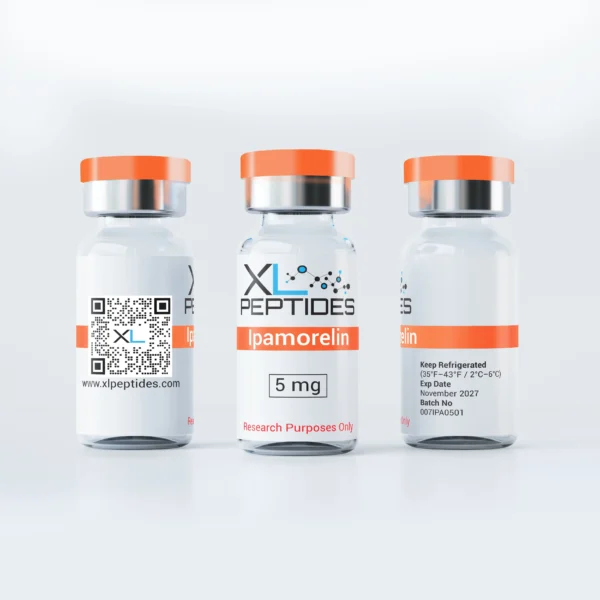
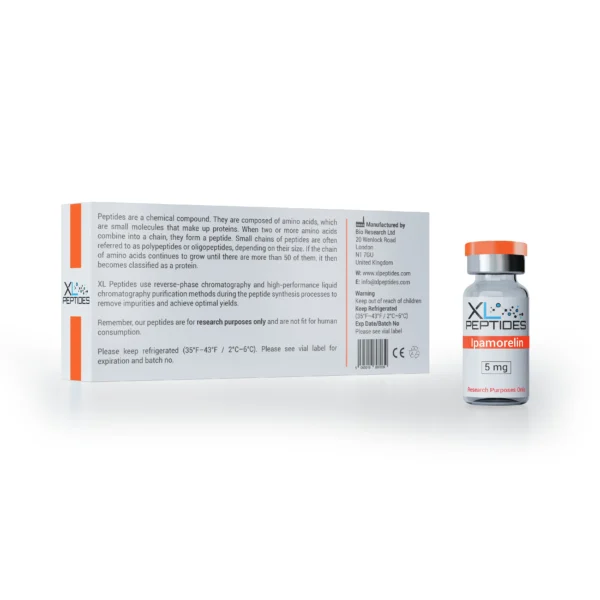
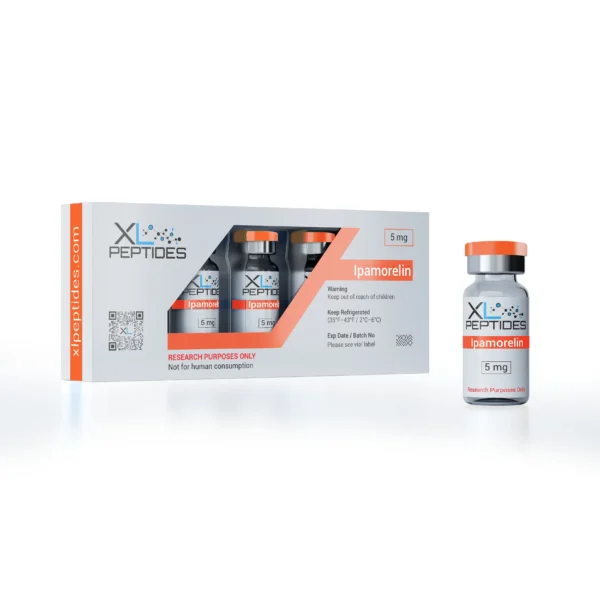
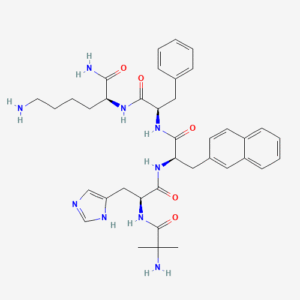
Ipamorelin, is a Growth-Hormone-Releasing-Peptide (GHRP). It is a growth hormone secretagogue and a selective agonist of the ghrelin/growth-hormone secretagogue receptor (GHS) is comprised of 5 amino acids. Dosed at 5 mg for research purposes.
Ipamorelin is a selective growth hormone secretagogue (GHSR-1a agonist) used in controlled in-vitro studies to investigate receptor signalling, second-messenger dynamics, and GH-axis pathway modelling under non-clinical laboratory conditions.
This pentapeptide secretagogue is commonly selected to explore ligand–receptor engagement, cAMP/PKA and PLC/IP3/Ca2+ readouts, and structure–activity relationships in cell systems.
For laboratory research only. Not for human use.
Looking for complementary materials? See
Bacteriostatic Water 10 ml and GH-axis research companions such as
CJC-1295 (No DAC) 5 mg and
GHRP-6 5 mg.
Researchers employ ipamorelin to map GHSR-1a binding characteristics, profile downstream second-messenger responses, and compare potency/selectivity against other secretagogues in cell-based assays. Work focuses on receptor pharmacology and pathway profiling exclusively in controlled, non-clinical in-vitro environments.
Reviews
There are no reviews yet.