- Your cart is empty
- Continue Shopping

$50.00
31 in stock
KPV is a synthetic tripeptide consisting of the amino acids lysine-proline-valine, derived from the C-terminal sequence of alpha-melanocyte-stimulating hormone (α-MSH). This peptide has garnered research interest for its potential anti-inflammatory and immunomodulatory properties, particularly in conditions involving dysregulated immune responses and tissue inflammation [1,2].
The majority of KPV research has been conducted in cell culture systems and animal models. In vitro studies have demonstrated that KPV can reduce the production of pro-inflammatory cytokines including tumor necrosis factor-alpha (TNF-α), interleukin-6 (IL-6), and interleukin-8 (IL-8) in stimulated immune cells [3,4]. Animal studies, primarily in rodent models of inflammatory bowel disease, have shown that KPV administration may reduce intestinal inflammation and improve histological markers of tissue damage [5,6]. Preclinical research has also explored KPV’s effects on barrier function in intestinal epithelial cell models, with some evidence suggesting potential benefits for tight junction integrity [7]. Studies in murine models of dermatological inflammation have indicated possible effects on skin inflammation markers [8].
Human clinical trial data for KPV remains extremely limited. While α-MSH and its analogs have been studied in human populations for various inflammatory conditions, specific controlled clinical trials examining KPV as an isolated therapeutic agent are lacking in peer-reviewed literature. The translation of preclinical findings to human applications remains speculative without rigorous clinical validation.
Current evidence for KPV is predominantly derived from in vitro and animal studies. The peptide’s pharmacokinetics, optimal dosing, safety profile, and clinical efficacy in humans have not been established through controlled clinical research. The short half-life of KPV and questions regarding oral bioavailability present additional challenges for clinical application that have not been adequately addressed in published research.
Research in laboratory settings has investigated several biological pathways potentially influenced by KPV: Anti-Inflammatory Activity: In vitro studies using lipopolysaccharide (LPS)-stimulated macrophages and other immune cell types have demonstrated that KPV can inhibit nuclear factor kappa B (NF-κB) activation, a central regulator of inflammatory gene expression [3,9]. This mechanism has been associated with reduced production of pro-inflammatory mediators in cellular models. Intestinal Inflammation: Rodent models of chemically-induced colitis have shown that KPV administration may reduce colonic inflammation, as measured by inflammatory cell infiltration, cytokine levels, and macroscopic damage scores [5,6]. These effects have been observed with both systemic and local (enema) administration in experimental settings. Epithelial Barrier Function: Cell culture studies using intestinal epithelial monolayers have suggested KPV may influence tight junction protein expression and reduce permeability induced by inflammatory stimuli [7]. These findings remain preliminary and have not been validated in human intestinal tissue. Antimicrobial Properties: Limited in vitro research has explored KPV’s potential antimicrobial activity against certain bacterial strains, though the clinical relevance and mechanism of these effects remain poorly characterized [10]. These findings require substantial additional investigation before any therapeutic implications can be established. Dermatological Applications: Animal studies using models of contact dermatitis and other inflammatory skin conditions have indicated that topical or systemic KPV may reduce inflammatory markers and improve histological outcomes [8]. Translation to human dermatological conditions has not been clinically validated.
KPV is a tripeptide with the amino acid sequence lysine-proline-valine and a molecular weight of approximately 400.48 Daltons (chemical formula: C₁₇H₃₂N₆O₄). It represents a fragment of the naturally occurring peptide α-MSH, which plays roles in immune regulation and inflammatory responses through melanocortin receptor pathways [1,2]. Unlike full-length α-MSH, KPV does not bind to melanocortin receptors and therefore does not stimulate melanogenesis (pigmentation). Its anti-inflammatory mechanisms appear to operate through alternative pathways, primarily involving inhibition of inflammatory transcription factors [9,11]. Due to its peptide structure, KPV is subject to proteolytic degradation, resulting in a short systemic half-life when administered parenterally. Oral bioavailability is expected to be minimal without specialized delivery formulations due to gastrointestinal peptidase activity, though specific pharmacokinetic studies in humans are lacking.
The primary mechanism by which KPV appears to exert anti-inflammatory effects in preclinical models involves inhibition of the nuclear factor kappa B (NF-κB) signaling pathway [3,9]. In vitro studies have demonstrated that KPV can enter cells and directly interact with components of the NF-κB complex, preventing its translocation to the nucleus and subsequent transcription of inflammatory genes. This mechanism has been associated with reduced expression of pro-inflammatory cytokines (TNF-α, IL-1β, IL-6, IL-8), chemokines, and adhesion molecules in stimulated immune and epithelial cells [3,4,12]. The cell-penetrating properties of KPV appear to facilitate this intracellular activity, though the precise molecular interactions remain under investigation.
Preclinical research suggests KPV may selectively modulate inflammatory responses without causing broad immunosuppression [13]. In contrast to corticosteroids that globally suppress immune function, in vitro studies indicate KPV primarily affects activated inflammatory pathways while preserving baseline immune competence. This selective activity has been proposed as a potential advantage, though clinical validation of this property in humans is absent.
Cell culture studies using intestinal epithelial models have indicated that KPV may influence tight junction protein expression, including zonula occludens-1 (ZO-1) and occludin, proteins critical for maintaining epithelial barrier integrity [7]. These effects have been observed in models where barrier function was compromised by inflammatory stimuli, suggesting a potential protective or restorative role. However, these findings are limited to in vitro systems and have not been confirmed in human intestinal tissue.
Limited animal research has explored KPV’s potential effects on wound healing, with some studies suggesting accelerated epithelialization and reduced inflammatory cell infiltration in experimental wound models [14]. The mechanisms underlying these observations likely involve both anti-inflammatory effects and potential modulation of growth factor signaling, though detailed mechanistic studies are lacking.
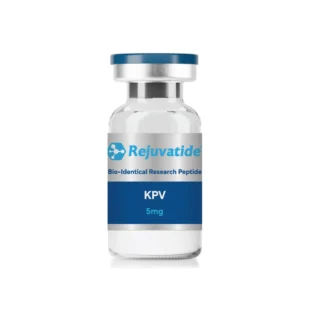
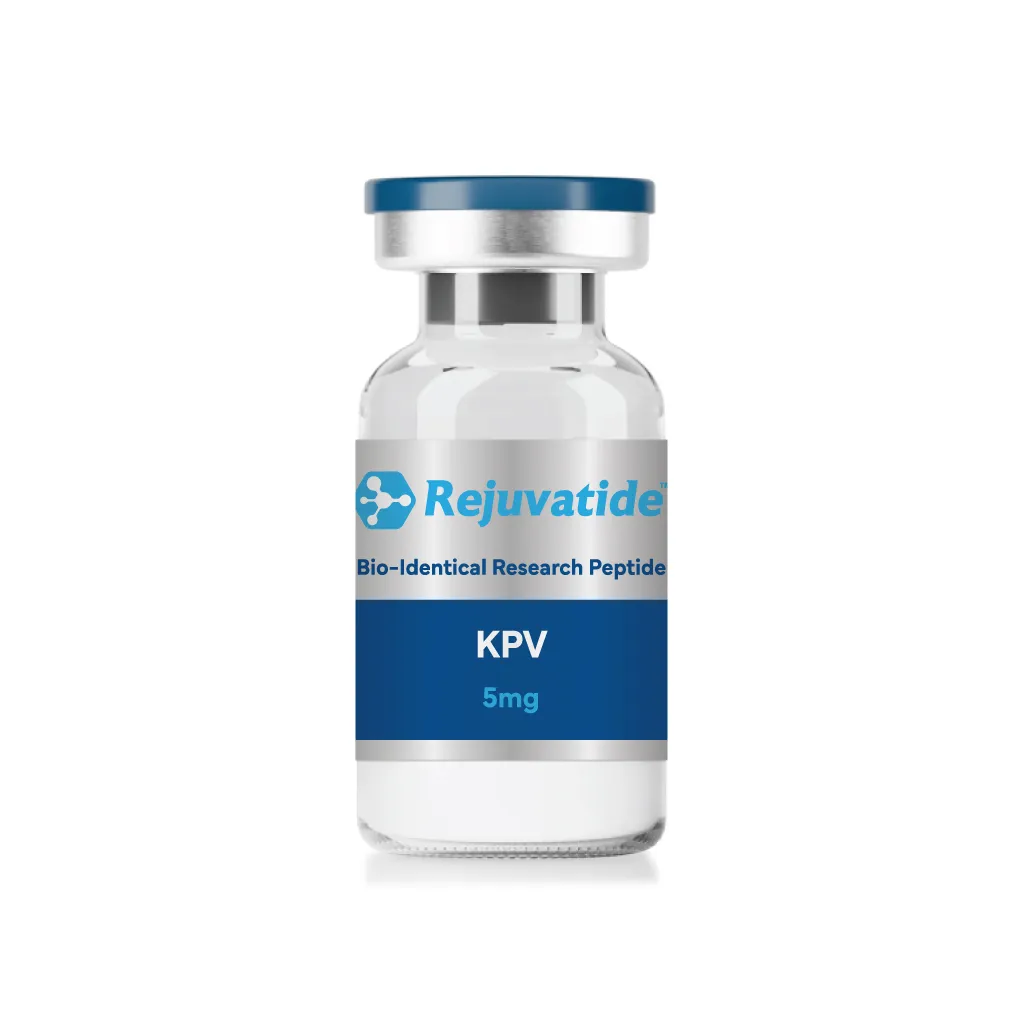
Chemical Name: Lysine-Proline-Valine (K-P-V) Molecular Formula: C₁₇H₃₂N₆O₄ Molecular Weight: ~400.48 Daltons Purity: ≥98% (verified by HPLC and mass spectrometry) Form: Lyophilized powder Quantity: 5mg per vial
Research Use Only: This product is intended for laboratory research purposes only. It is not approved by the FDA or any regulatory authority for human or veterinary use, ingestion, or injection, and is not intended to diagnose, treat, cure, or prevent any disease. KPV 5mg is provided solely for in vitro research and scientific investigation in controlled laboratory settings. Users are responsible for ensuring compliance with all applicable local, state, and federal regulations.
Q1: What is KPV 5mg intended for? A: KPV 5mg is intended exclusively for laboratory research purposes and scientific investigation of anti-inflammatory mechanisms and immune pathways. It is not approved for human consumption, clinical treatment, veterinary use, or self-administration. Researchers use this tripeptide to study inflammatory signaling, epithelial barrier function, and immunomodulatory pathways in controlled experimental settings.
Q2: Are there human clinical trials demonstrating KPV’s effectiveness for inflammatory conditions? A: No. While preclinical studies in cell cultures and animal models have shown promising anti-inflammatory effects, there is a lack of rigorous, peer-reviewed human clinical trials establishing safety or efficacy in human populations. Current evidence is predominantly derived from in vitro and animal research. Claims regarding therapeutic benefits in humans, including for inflammatory bowel disease, skin conditions, or “leaky gut,” are not substantiated by controlled clinical data.
Q3: Is KPV approved by the FDA for any medical use? A: No. KPV is not approved by the U.S. Food and Drug Administration (FDA) for any therapeutic, diagnostic, or preventive purpose in humans or animals. It remains an investigational compound used exclusively in research contexts. Any claims regarding human or veterinary health benefits have not been evaluated or approved by regulatory authorities.
Q4: Can KPV be used for gastrointestinal conditions or inflammatory bowel disease? A: Research-grade KPV 5mg is not intended for treatment of any medical condition, including gastrointestinal disorders. While animal models of colitis have shown reduced inflammation with KPV administration, these findings have not been replicated in human clinical trials. Use of research peptides outside of supervised clinical research or properly authorized trials is not recommended and may carry unknown health risks. Individuals with medical conditions should consult licensed healthcare providers for evidence-based treatments.
Q5: What are the known limitations of KPV based on current research? A: Current research limitations include: (1) lack of human clinical trial data establishing safety, efficacy, or optimal dosing parameters; (2) short systemic half-life requiring frequent administration in preclinical models; (3) uncertain oral bioavailability without specialized delivery systems; (4) limited understanding of long-term effects; and (5) predominantly in vitro and animal-based evidence that may not translate to human physiology. Additionally, the peptide’s stability, formulation requirements, and potential for immunogenicity in repeated use have not been comprehensively characterized in human subjects.
Reviews
There are no reviews yet.