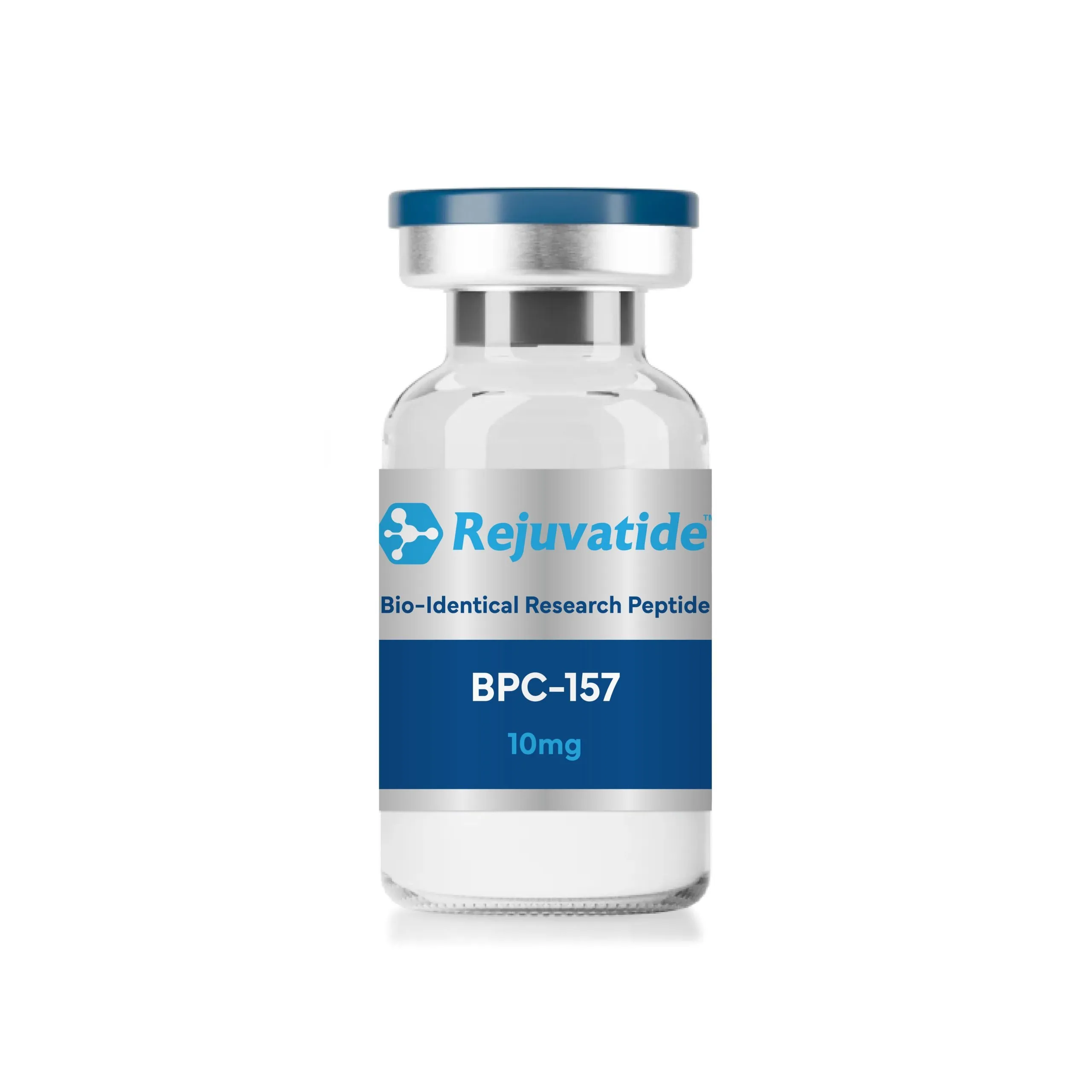
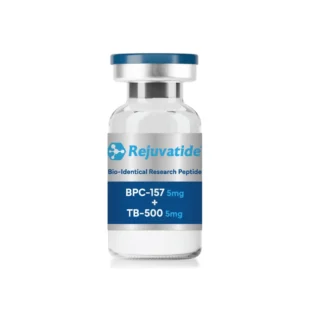
- Demonstrates strong tissue-healing and cytoprotective effects in numerous animal (mainly rodent) studies across multiple organ systems.
- In tendon fibroblasts (rat Achilles tendon model) BPC-157 up regulated the growth hormone receptor (GHR) at both mRNA and protein levels, increasing the cells’ responsiveness to growth hormone, and activated downstream JAK2 signalling.
- Exhibits angiogenic / pro-blood-flow effects, meaning it promotes new blood vessel formation in injured/ischemic tissue, which supports nutrient/oxygen delivery and healing.
- Modulates the nitric oxide (NO) system and appears to stabilize endothelial or vascular integrity (e.g., in alcohol- or ischemia-induced vascular damage in animal models).
- Demonstrates broad protective effects beyond musculoskeletal tissue: e.g., wound healing in skin, protection against arterial/venous thrombosis in animal models, protection of neural tissue (brain, spinal cord) in injury models.
- In orthopaedic sports-medicine review: animal studies show improved outcomes in muscle, tendon, ligament, bone injuries; one small retrospective human report (12 of 16 subjects) with knee injection of BPC-157 reported improvement of chronic knee pain >6 months.
- Key mechanism pathways implicated: fibroblast activation/collagen synthesis, FAK-paxillin signalling (cell migration/attachment), GHR/JAK2 axis, angiogenesis, endothelial protection, NO modulation.
- Animal studies show BPC-157 accelerates healing of soft tissues (muscle, tendon, ligament, bone) which indirectly may reduce pain by speeding repair and reducing ongoing nociceptive input.
- Improvements in pain, joint swelling and recovery time maybe observed due to it’s anti-inflammatory effects.
Links to studies: https://pubmed.ncbi.nlm.nih.gov/?term=BPC-157
Disclaimer
Our products are for in-vitro lab research and study only. Not intended for study or use on humans or animals. Peptides are not FDA approved or used to prevent, cure or treat any medical condition.


Reviews
There are no reviews yet.